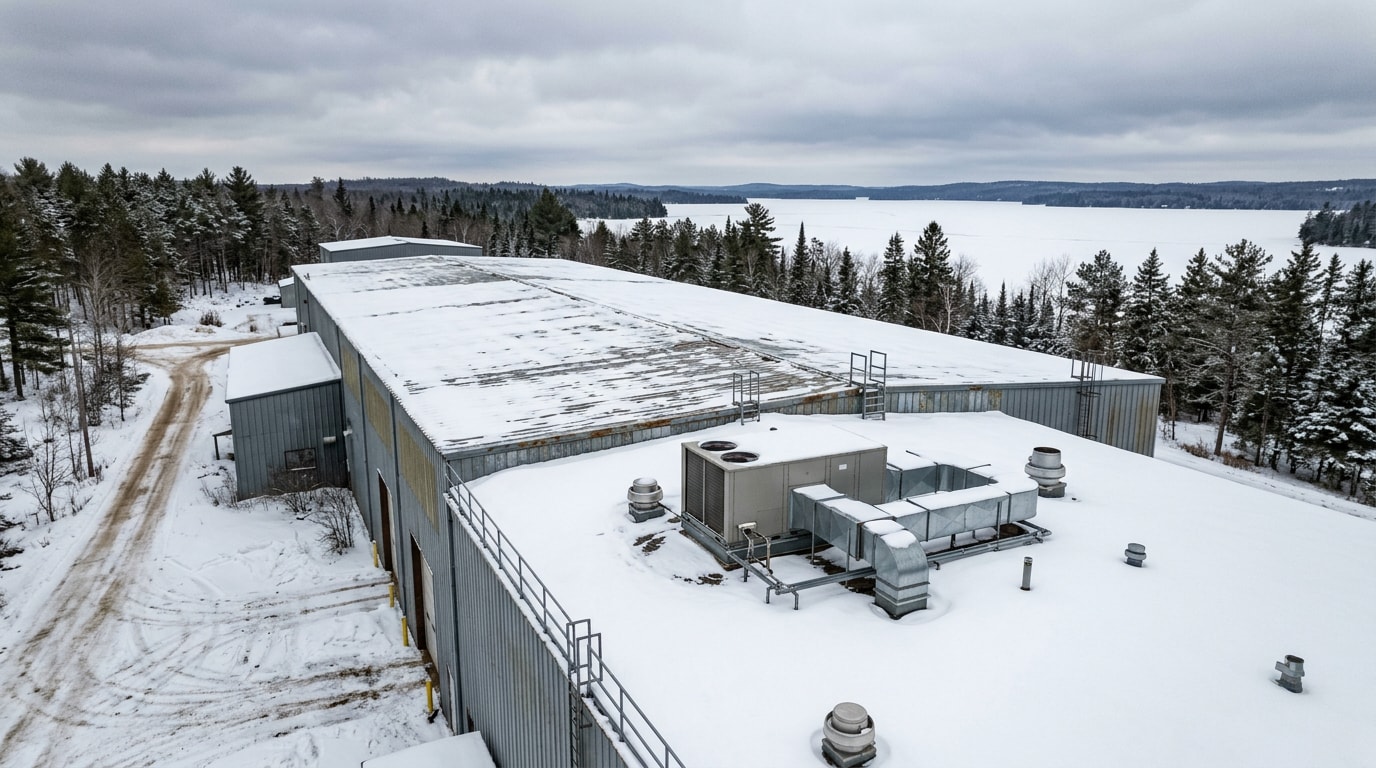
Heating system installation in Grand Portage, MN has to account for Lake Superior wind, long winters, and everything from year-round homes to seasonal cabins near the harbor. A rushed install or an undersized unit shows up fast here, usually during the first hard cold snap in January. This guide walks through system types, real installation steps, and what a proper job actually costs before you call anyone out.
Heating Installation Services for Grand Portage Homes and Cabins
Heating system installation in Grand Portage covers more ground than most homeowners expect. A full-service approach typically includes furnace installation, boiler installation, heat pump and mini split installation, plus the repair and maintenance work that keeps any system running once it's in the ground.
This applies to single-family homes, lakeside cabins, and small commercial spaces alike. A seasonal cabin, a year-round residence, and a small shop near the harbor all carry different heating demands. The installation fundamentals, correct sizing, proper venting, and code-compliant setup, stay the same across all of them. For a closer look at everything available in Cook County, visit our heating contractor services page.
Choosing the Right Heating System for a Lake Superior Winter
Furnaces, boilers, heat pumps, and radiant floor systems cover most of what a cold-climate North Shore home needs. The right choice depends on home size, existing ductwork or piping, and how harsh a given winter runs.
- Furnaces remain the most common choice for forced-air homes, pairing with existing ductwork for straightforward furnace installation.
- Boilers suit homes with radiators or in-floor piping already in place, delivering steady, even heat through boiler installation.
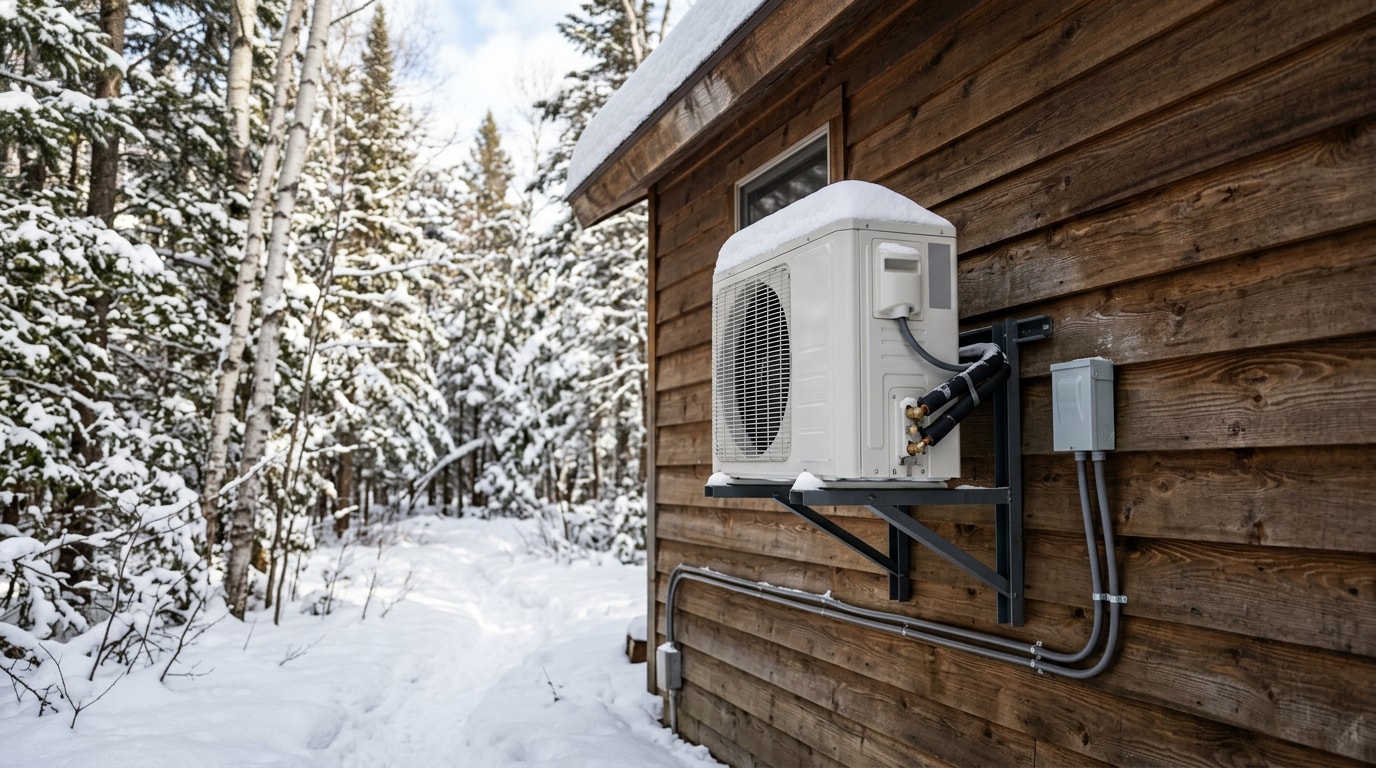
- Heat pumps and mini splits have become more viable in Minnesota as cold-climate models improve, though in a border community like Grand Portage, a mini split installation often pairs best with a backup heat source for the deepest cold snaps.
- Radiant floor heating offers a comfortable, dust-free option for new construction or major remodels, and radiant heating installation works well in cabins without existing ductwork.
| System Type | Best For | Relative Install Cost | Typical Lifespan |
|---|---|---|---|
| Gas or propane furnace | Homes with existing ductwork | $ | 15–20 years |
| Boiler | Homes with radiators or in-floor piping | $$ | 20+ years with good maintenance |
| Heat pump / mini split | Supplemental or shoulder-season heat | $$ | 10–15 years |
| Radiant floor heating | New construction, major remodels | $$$ | 20+ years (tubing); boiler component varies |
Signs Your Grand Portage Heating System Needs Replacement
A heating system usually needs replacement when it requires frequent repairs, makes unusual noises, heats unevenly, or causes energy bills to climb without any added usage. Short-cycling, turning on and off repeatedly, is another common warning sign the system can no longer keep up.
Age is the clearest starting point. Consider replacing your existing heating system if your heat pump or air conditioner is more than 10 years old, or your furnace or boiler is more than 15 years old. Once a system passes that range, efficiency drops even if it's still technically running.
A useful rule of thumb: if a repair costs more than roughly half the price of a new installation, replacement usually makes more financial sense, especially once a system is past 10 to 12 years old. Below that age, a repair often buys several more good years, and our team handles both furnace repair and boiler repair when a fix is the smarter call.
Watch for secondary clues too:
- Rising energy bills with no change in usage
- Rooms that heat unevenly
- Rattling or banging during startup
- A system that short-cycles on and off
In a community like Grand Portage, where parts and backup equipment can take longer to arrive than they would in a metro area, a failed system during a January cold snap isn't a minor inconvenience. It's worth replacing an aging unit proactively rather than waiting for a mid-winter breakdown, and our emergency HVAC service is there if a system does fail without warning.
What Happens During a Free Heating Installation Consultation
A heating installation consultation starts with an in-home visit, not a phone quote. A technician measures the home's square footage, checks insulation levels, inspects existing ductwork or piping, and performs a heat-loss calculation to determine proper equipment sizing. Square footage alone never tells the whole story; orientation, window count, and ceiling height all factor in.
From there, the technician walks through equipment options at different efficiency tiers, explaining how each affects comfort and operating cost. Pricing conversations typically cover installation labor, haul-away of the old unit, permitting fees, and any venting changes needed for the new system.
Most installers also cover financing options during this visit, since many homeowners prefer to spread the cost of a full system replacement over several months rather than paying it all upfront. If you're ready for that conversation, schedule a free inspection and we'll walk your home the same way. You can also browse completed jobs across Cook County on our projects page.
What Does a New Heating System Cost in Grand Portage?
Heating system installation cost varies based on equipment type, efficiency rating, home size, and labor complexity. There's no single number that applies to every home. A standard furnace installation typically lands at the lower end of the cost range for basic efficiency models, while high-efficiency condensing furnaces, boilers, and heat pumps cost more upfront but often lower monthly energy bills.
New furnace cost also depends on whether ductwork modifications, electrical upgrades, or additional venting are required. A straightforward swap of like-for-like equipment is usually less expensive than a first-time installation in a home without existing infrastructure, like an older cabin being converted to year-round use.
It's worth checking what rebates are currently available before budgeting a final number. Programs tied to high-efficiency equipment change from year to year. Entering your zip code into the ENERGY STAR Rebate Finder lets you find rebates and other special offers on ENERGY STAR certified products available in your area , which is a reliable first step before locking in a budget. A written, itemized estimate remains the only way to get an accurate number for your specific home.
The Heating System Installation Process, Step by Step
A quality heating installation process follows two distinct phases: everything that happens before the crew arrives, and the technical work of the installation itself. Skipping either phase is where most problems start. Here's what installation day actually involves, from the first walkthrough to the final test.
Pre-Installation: Site Evaluation
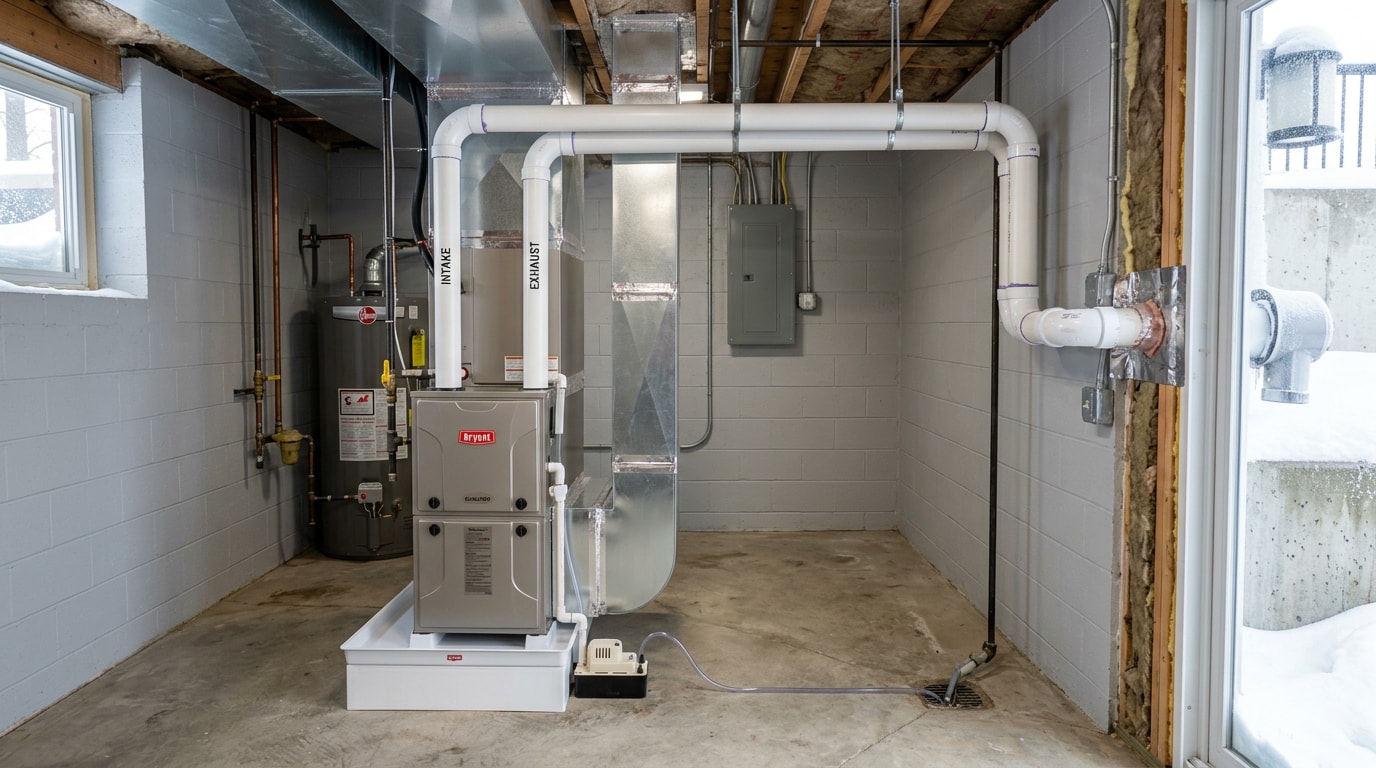
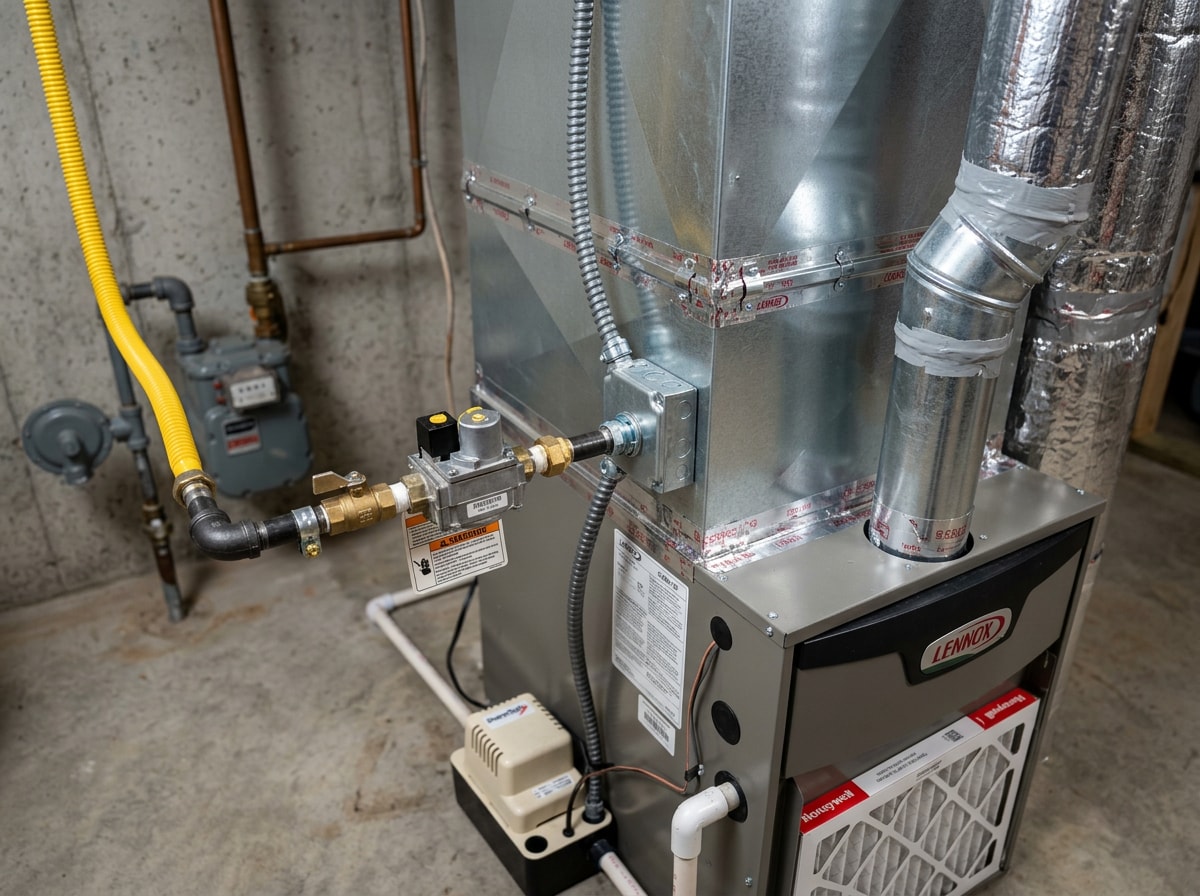
Before removing the old unit, a thorough site evaluation checks flue and intake routing, condensate drain options, gas line sizing, available electrical supply, and the condition of existing ductwork. Clearances around the planned equipment location also get measured against manufacturer specs.
This pre-installation checklist matters because it catches problems while they're still easy to fix. Discovering an undersized gas line or damaged ductwork after the old furnace is already disconnected turns a planned job into an emergency one, often mid-winter. A careful ductwork inspection at this stage also flags leaks or damage that would undercut the new system's efficiency no matter how good the equipment is. Our more detailed installation guide for the area covers additional HVAC installation steps and cost factors in Grand Portage if you want a second reference point.
During Installation: Equipment Placement, Clearances & Condensate Requirements
Manufacturer clearance-to-combustibles requirements exist for a real reason, not just paperwork. Picture a furnace installed four inches from a wall stud where the manual calls for six. The unit might run fine for months, then overheat that framing during a long cold-weather cycle, creating a fire risk and voiding the warranty outright. Ducts connecting to a furnace must have a clearance to combustibles in accordance with the furnace manufacturer's installation instructions , and that requirement is a non-negotiable part of a code-compliant install in Minnesota.
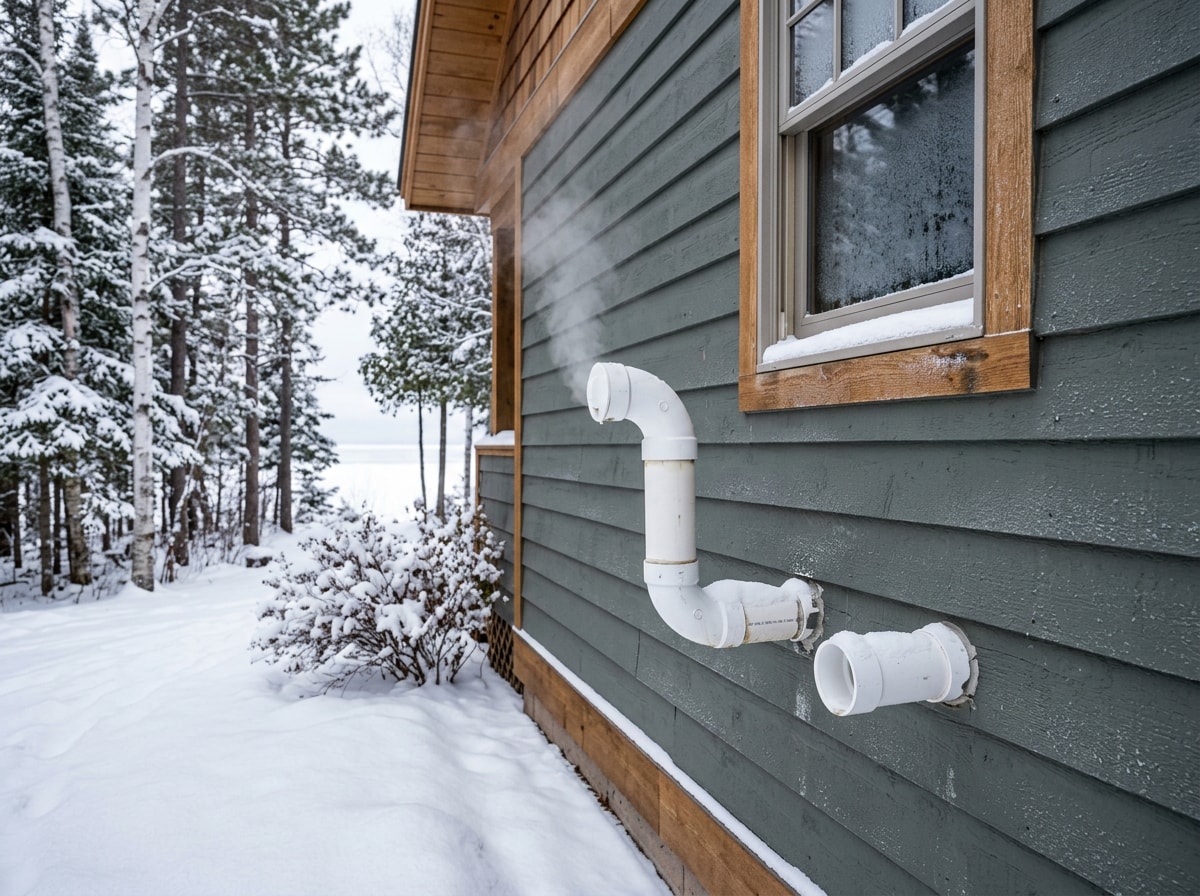
Condensate line installation matters just as much on high-efficiency furnaces. These units produce acidic condensate that has to drain downhill, through the right pipe material, to a proper drain. A line installed with a flat or backward slope will back up, trip a safety switch, and shut the furnace down, usually overnight, in the cold, not during business hours.
Red Flags: Signs of a Substandard Heating Installation
A handful of warning signs point to a rushed or incomplete heating installation:
- No combustion analysis performed after startup
- A flue or condensate line that's improperly sloped or left unsupported
- A thermostat that wasn't rewired for the new system's specific requirements
- No gas-line leak test documented
A legitimate installation also includes a walkthrough. The technician should explain the new thermostat, filter location, and basic maintenance before leaving. If the crew packs up within an hour or two of a full system replacement, that's rarely a good sign; proper testing and calibration take real time.
These aren't cosmetic concerns. Improper combustion or venting can allow carbon monoxide into living spaces. Carbon monoxide is an odorless, colorless gas that kills more than 500 Americans each year , which is why a combustion safety check isn't optional on any installation. If you're evaluating a recent install or comparing contractors, our team at Grand Marais Heating & Air can review the work and give you a straight answer during a free evaluation.
About This Guide
This guide was written by Dan Halvorsen, lead installation technician and co-owner of Grand Marais Heating & Air, a Minnesota-licensed residential and commercial heating contractor serving Grand Portage, Grand Marais, and the rest of Cook County's North Shore. After installing and servicing heating systems through more North Shore winters than he can count, including homes a mile from the Canadian border, Dan has learned that a sizing mistake or a skipped combustion check here doesn't show up as a minor inconvenience. It shows up as a cold house during a lake-effect wind event. Questions about your specific home or cabin? Contact our team directly.
FAQ
How Long Does It Take to Install a New Heating System?
A standard like-for-like furnace replacement usually takes a single day, often four to eight hours. A first-time installation that requires new ductwork, venting changes, or electrical work can take one to three days depending on the home's existing infrastructure.
What Size Furnace Do I Need for My Home?
Furnace size depends on square footage, insulation quality, window count, and local climate, not square footage alone. A professional load calculation measures actual heat loss to determine the correct BTU output, since an oversized or undersized unit both hurt comfort and efficiency.
Do I Need a Permit to Install a New Furnace in Minnesota?
Yes. Minnesota requires a mechanical permit for furnace installation and replacement, and a licensed contractor typically handles filing and inspection scheduling. Skipping this step can create problems later with insurance claims or home sales.
How Often Should a Heating System Be Replaced?
Most furnaces last 15 to 20 years, with boilers often lasting longer under good maintenance. Cold-climate use, like the winters Grand Portage sees, can shorten that lifespan since the equipment runs harder and more often than systems in milder regions.
Is a Furnace or a Boiler Better for a Grand Portage Cabin?
It depends on what's already installed. A cabin with existing ductwork is usually a better fit for a furnace, while a cabin with radiators or in-floor piping does better sticking with a boiler. Converting from one to the other adds cost that's rarely worth it unless the existing system has failed completely.
What Happens If I Skip a Permit on My Heating Installation?
An unpermitted furnace or boiler installation can complicate a home sale, void certain insurance claims, and leave no official record that the work was inspected for safety. A licensed contractor handles the permit as part of a normal installation.