Industrial HVAC contractors in Knife River, MN have to solve two problems at once: Lake Superior's corrosive, wind-driven weather and the heavy-duty demands of manufacturing, processing, or storage equipment. Standard commercial comfort systems rarely hold up to either one alone. This guide breaks down the equipment, codes, and contractor qualifications that separate an industrial-grade system from a basic office unit.
Commercial vs. Industrial HVAC: What's Different in Knife River
Industrial HVAC systems are bigger, more complex, and built around production equipment, chemical storage, or heavy machinery, not occupant comfort alone. A commercial rooftop unit sized for an office suite will not keep up with a facility running process heat, exhaust loads, or hazardous materials. Here's how the two compare side by side.
| Factor | Commercial HVAC | Industrial HVAC |
|---|---|---|
| Typical building | Offices, retail, restaurants | Manufacturing plants, warehouses, processing facilities |
| System sizing | Based on occupant comfort | Based on process loads, exhaust needs, and equipment heat |
| Code requirements | Standard mechanical/energy code | May require hazardous-location (NEC Class/Division) compliance |
| Materials | Standard coatings | Corrosion-resistant coatings, stainless steel near Lake Superior |
| Example components | Rooftop package units, split systems | Explosion-proof units, purged enclosures, process piping |
If your building is a straightforward office or retail space, our HVAC contractor services cover the basics. The rest of this guide focuses on the heavier equipment facility managers near Knife River typically need.
Hazardous-Location and Cold-Climate Equipment for North Shore Facilities
Facilities around Knife River often need equipment most residential technicians never touch. The National Electrical Code defines hazardous locations as areas where fire or explosion risk exists because of flammable gases, vapors, or combustible dust. The National Electrical Code defines hazardous locations as those areas "where fire or explosion hazards may exist due to flammable gases or vapors, flammable liquids combustible dust, or…" Within that system, locations are split into divisions based on how often the hazard is present. Division 1 locations have a hazardous atmosphere present under normal operating conditions, frequent maintenance, or equipment failure, while Division 2 locations are only hazardous under abnormal conditions such as a breakdown or accidental rupture.
Three equipment categories come up most often along this stretch of shoreline:
- Explosion-proof HVAC systems for Class I Division 1 and 2 locations, protecting against ignition risk where flammable materials are stored or handled.
- Corrosion-resistant units, built with protective coatings and stainless steel, to withstand salt spray and humidity off Lake Superior.
- Pressurized and purged systems that keep control rooms and motor control centers free of contaminated air.
The full classification system lives in NFPA 70, the National Electrical Code, and OSHA enforces the same hazardous-location requirements under 29 CFR 1910.307. Any contractor working in these environments should be fluent in both.
Industrial HVAC Services Along the North Shore
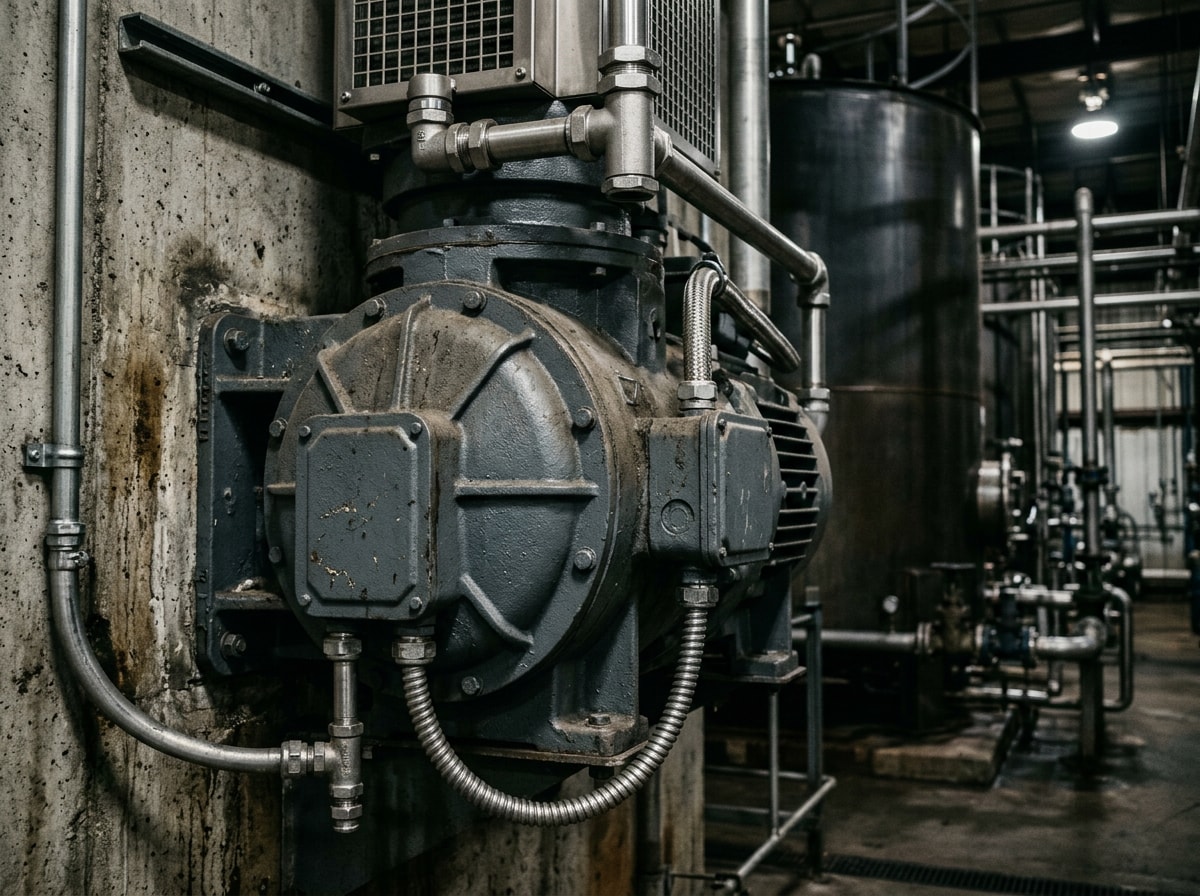
Qualified industrial HVAC work covers more than swapping equipment. It starts with a custom design matched to a facility's thermal load and safety classification, then moves into installation that integrates cleanly with existing infrastructure.
System Installation and Replacement
Large-scale installation and replacement projects involve more moving parts than most facility managers expect.
- Rooftop units and air handlers sized for process loads
- Ductwork and controls integration
- System balancing so airflow stays even across every zone
- Sequencing that avoids disrupting production schedules
If a system fails mid-shift, emergency HVAC service keeps downtime from turning into lost production.
Commercial and Industrial Piping
Piping work underpins almost every industrial HVAC system: heating, cooling, gas, water, and specialized process lines. Mechanical piping has to meet strict code requirements, especially where corrosive materials or high pressures are involved. Poor air quality from production processes often shows up alongside piping issues, which is where indoor air quality solutions come in. You can see examples of completed installation and piping work on our projects page.
Building for Climate Zone 7: Design Temperatures Near Knife River
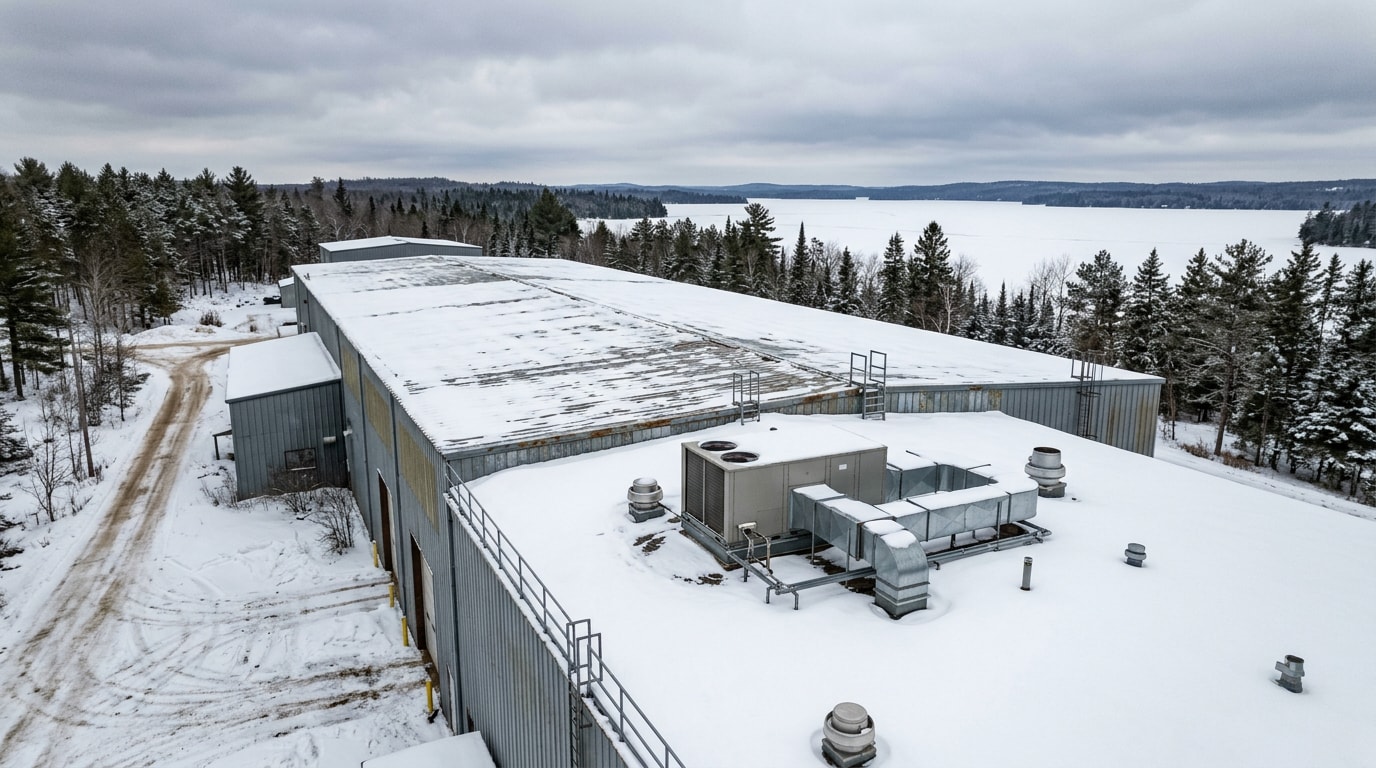
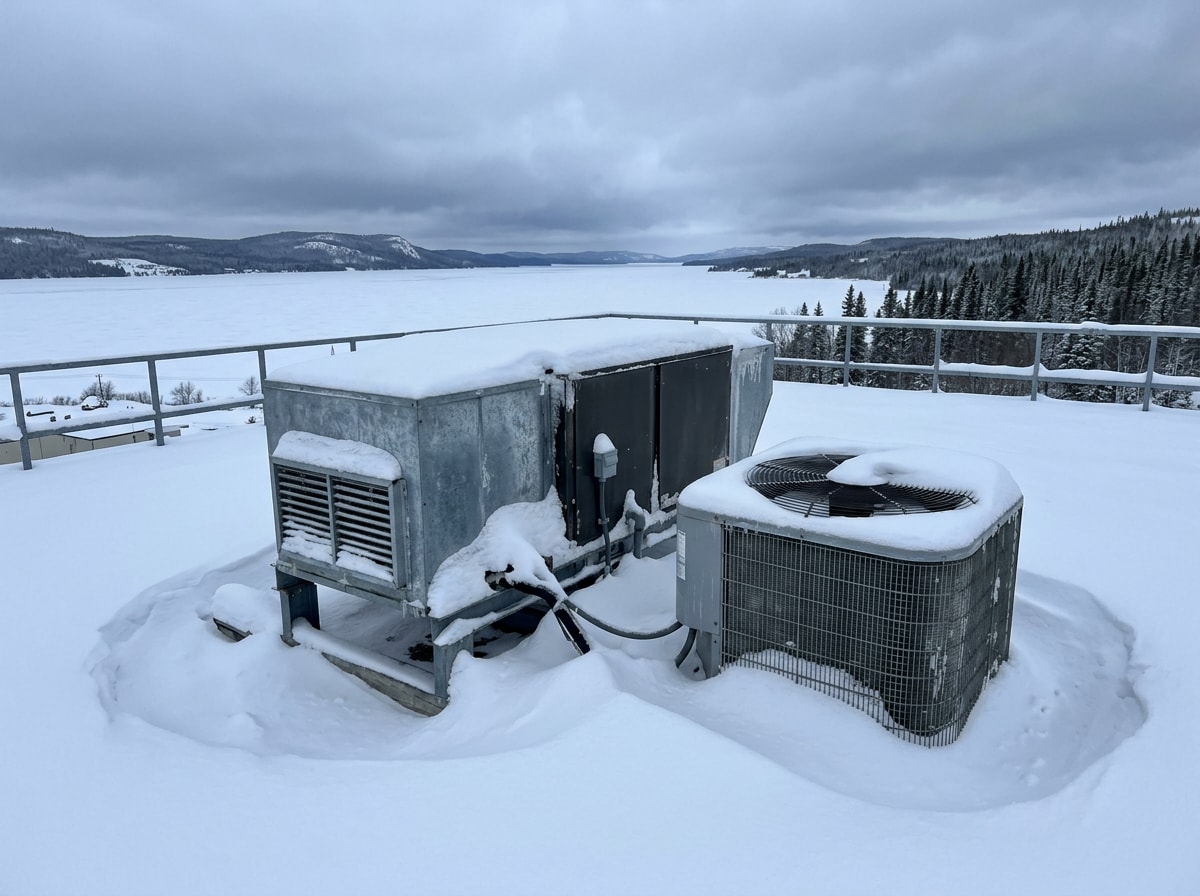
Duluth and the surrounding North Shore sit in Climate Zone 7, one of the coldest design zones in the continental U.S. Minnesota's own commercial energy code puts a hard number on it. Duluth's winter design temperature is listed at -23°F in the state's climatic data design conditions table. A lakeside site like Knife River adds variables inland Duluth buildings don't face as sharply: direct wind exposure, higher corrosion risk from lake spray, and heavier snow load on rooftop equipment.
That combination pushes building requirements toward:
- Reinforced curb anchoring for rooftop units exposed to open wind
- Taller equipment curbs to clear drifting snow
- Freeze protection on exposed piping and condensate lines
- Corrosion-resistant fasteners and housings near the shoreline
We've bolted rooftop curbs through knee-deep lake-effect snow on a processing building near the Knife River harbor, and the units with extra fastener points and taller curbs are the ones still running cleanly years later. Full climatic design tables for Minnesota cities are published through the state's commercial energy code. Our Knife River service area page has more detail on how coverage extends along the shore.
Signs You Need to Upgrade to a Modern System
Rising utility bills, frequent breakdowns, and outdated controls all signal it's time to look at an upgrade.
- Utility bills climbing without a change in production volume
- Repeated breakdowns during the coldest weeks of winter
- Inconsistent temperatures across production zones, not just obvious failure
- Equipment running well past its expected service life
If any of this sounds familiar, schedule a free inspection before the next cold snap tests your system's limits.
How to Choose an Industrial HVAC Contractor Near Knife River
Selecting the right contractor affects uptime, safety compliance, and long-term costs. Look for:
- Proper licensing and documented experience with industrial-scale systems
- Familiarity with hazardous-location classifications, not just commercial comfort systems
- Fast response times for emergency calls, especially in winter
- A track record of planning, maintaining, and optimizing systems over years, not just installing them once
Our cooling system maintenance guide for Knife River covers the seasonal upkeep steps a qualified contractor should already be following. Visit our homepage to see the full range of heating, cooling, and industrial services we provide across the North Shore, or reach out through our contact page to talk specifics.
FAQ
How Often Should Industrial HVAC Maintenance Be Scheduled in Knife River, MN?
ENERGY STAR recommends an annual maintenance contract to tune up heating and cooling equipment before each season. Industrial or high-use facilities often need more frequent service intervals, especially heading into winter.
What Makes a Location "Hazardous" Under NEC Rules?
A location is classified as hazardous when flammable gases, vapors, combustible dust, or ignitable fibers could be present in quantities sufficient to cause a fire or explosion. Division 1 locations have that atmosphere present under normal operating conditions, while Division 2 locations are only hazardous under abnormal conditions like equipment failure.
Do Commercial Buildings Require Specialized HVAC Services?
Yes. Commercial and industrial buildings need specialized HVAC work because their scale, equipment loads, and code requirements differ significantly from residential systems.
Can Industrial HVAC Systems Improve Indoor Air Quality?
Yes. Industrial facilities often add indoor air quality equipment to control dust, humidity, and airborne contaminants tied to production processes, alongside standard heating and cooling.
How Long Do Industrial HVAC Systems Typically Last?
Many well-maintained systems last 15 to 20 years, though heavy use, salt air, and extreme cold can shorten that lifespan compared to standard commercial equipment.
What Winter Design Temperature Should Knife River Facilities Plan For?
Minnesota's commercial energy code lists Duluth's winter design temperature at -23°F , and Knife River's lakeside exposure adds wind and snow-load factors on top of that baseline when sizing equipment.