Split air conditioning units in Finland, MN solve a problem that's common on this stretch of the North Shore: cabins, additions, and older homes that were never built with ductwork. A ductless mini split cools and heats individual rooms without tearing into a single wall or ceiling. Here's how they work, whether one makes sense for your property, and what installation or repair actually involves.
What Is a Ductless Mini Split Air Conditioner?
A ductless mini split is a two-part system made up of an outdoor condenser and one or more indoor air handlers, connected without any ductwork. In Finland, MN, where many properties are cabins, remodeled farmhouses, or additions that skipped a duct system entirely, that's a real advantage.
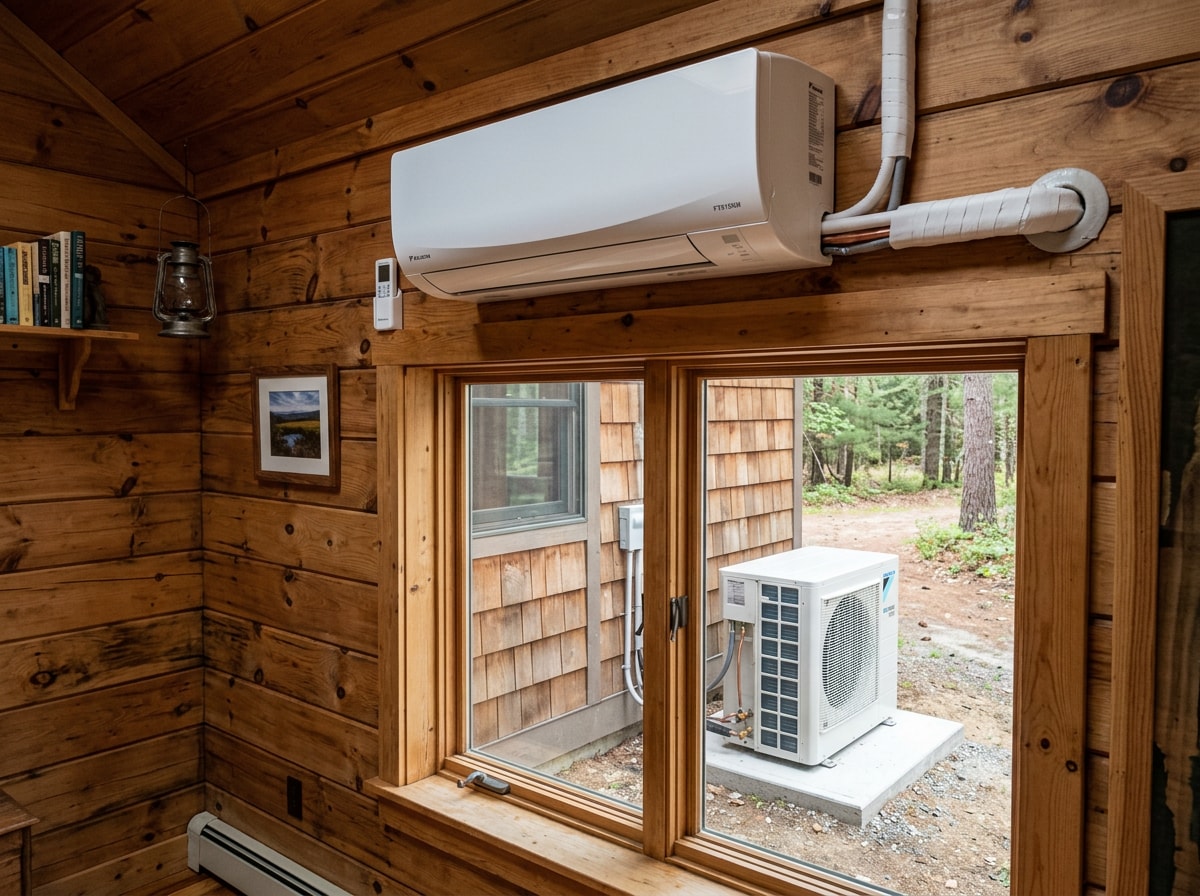
Instead of forcing cooled air through a network of ducts, the indoor unit mounts directly on a wall or ceiling in the room it serves. Ductless minisplit heat pumps are an excellent option for retrofitting houses with non-ducted heating systems and are also ideal for room additions where extending or installing distribution ductwork is not feasible.
You can review our full lineup of cooling and heating services on the homepage or browse the mini split installation page for details.
How Do Ductless Mini Split Systems Work?
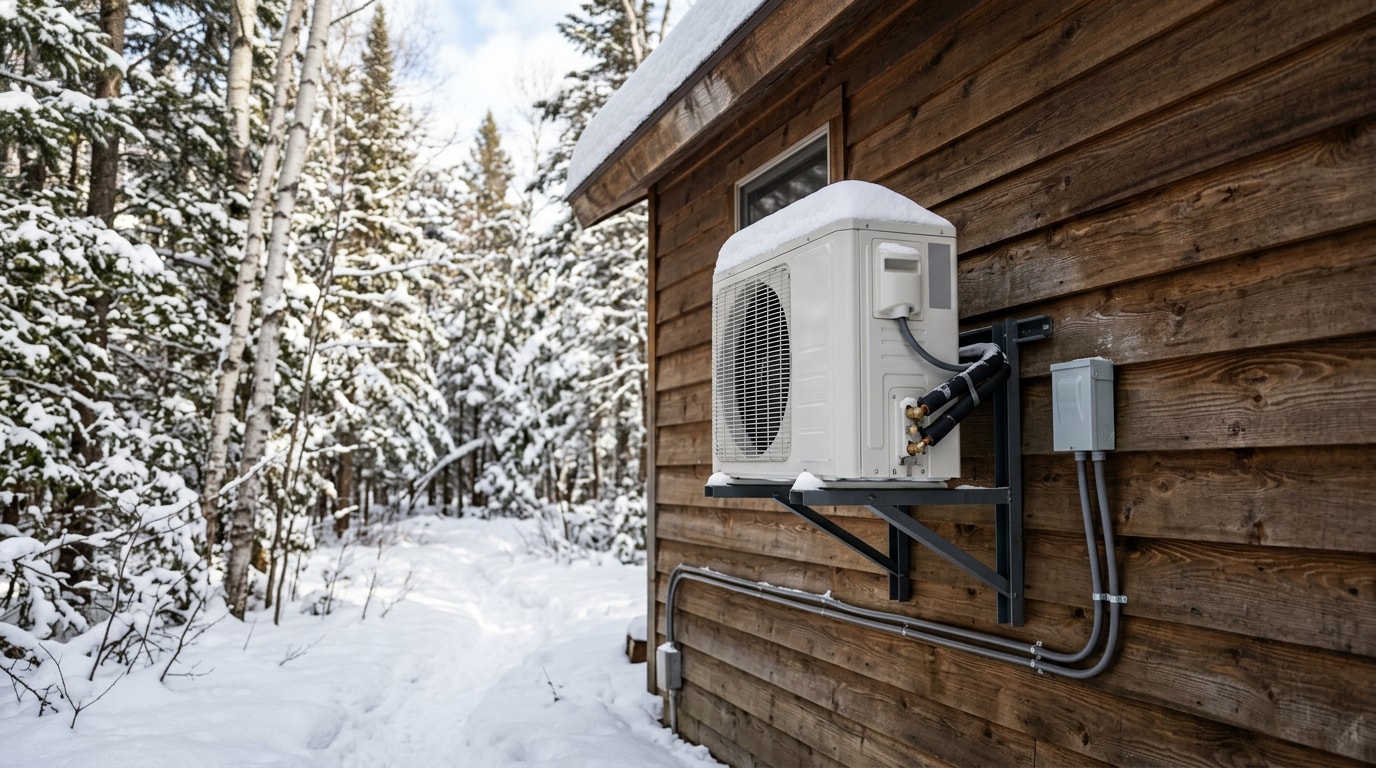
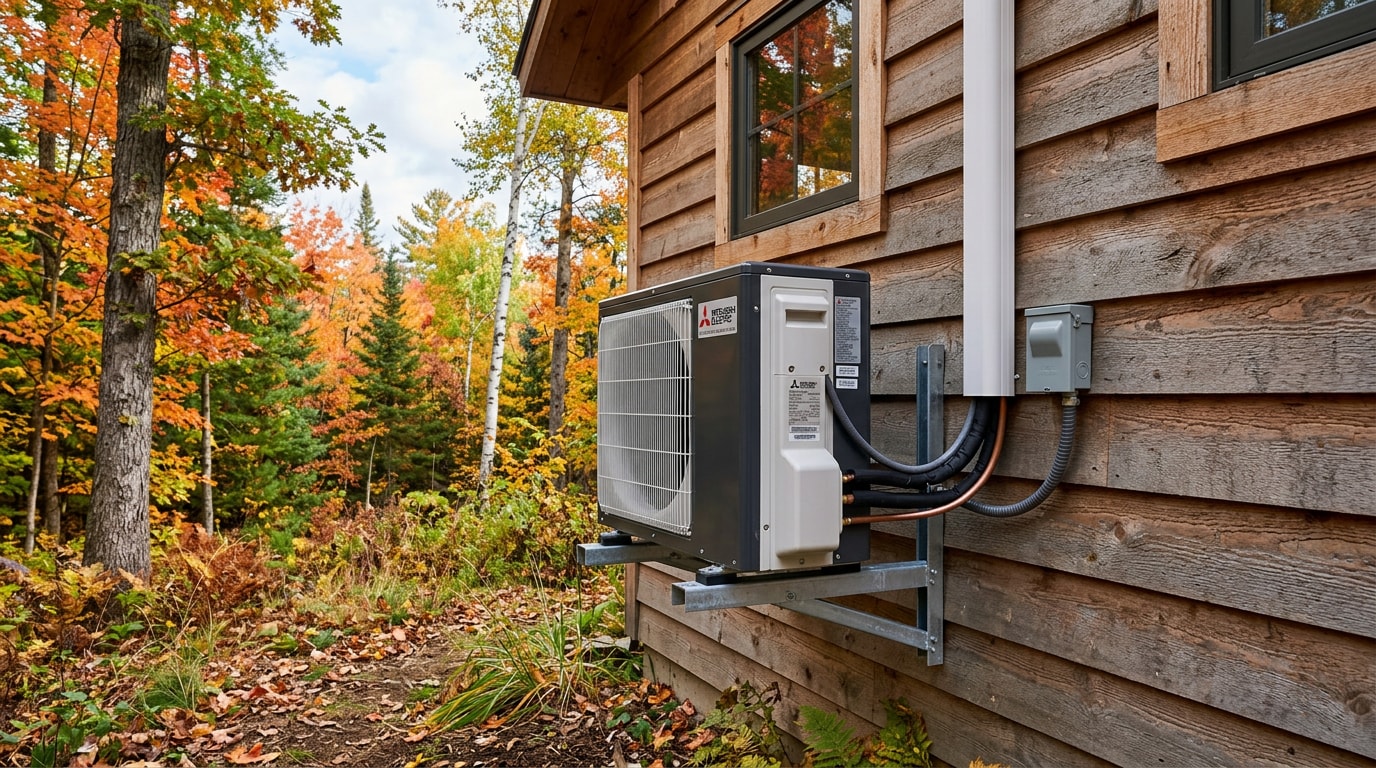
A conduit houses the power cable, refrigerant tubing, suction tubing, and a condensate drain, linking the outdoor compressor to the indoor air-handling unit. The outdoor unit compresses and circulates refrigerant to the indoor head, which cools (or heats) the room and sends the return line back out through that same small wall penetration.
This is why installation is so much less invasive than adding a duct system. There's no framing to open, no soffits to build, and no need to reroute existing plumbing or wiring runs through a cabin wall.
Do Mini Splits Handle Minnesota Winters?
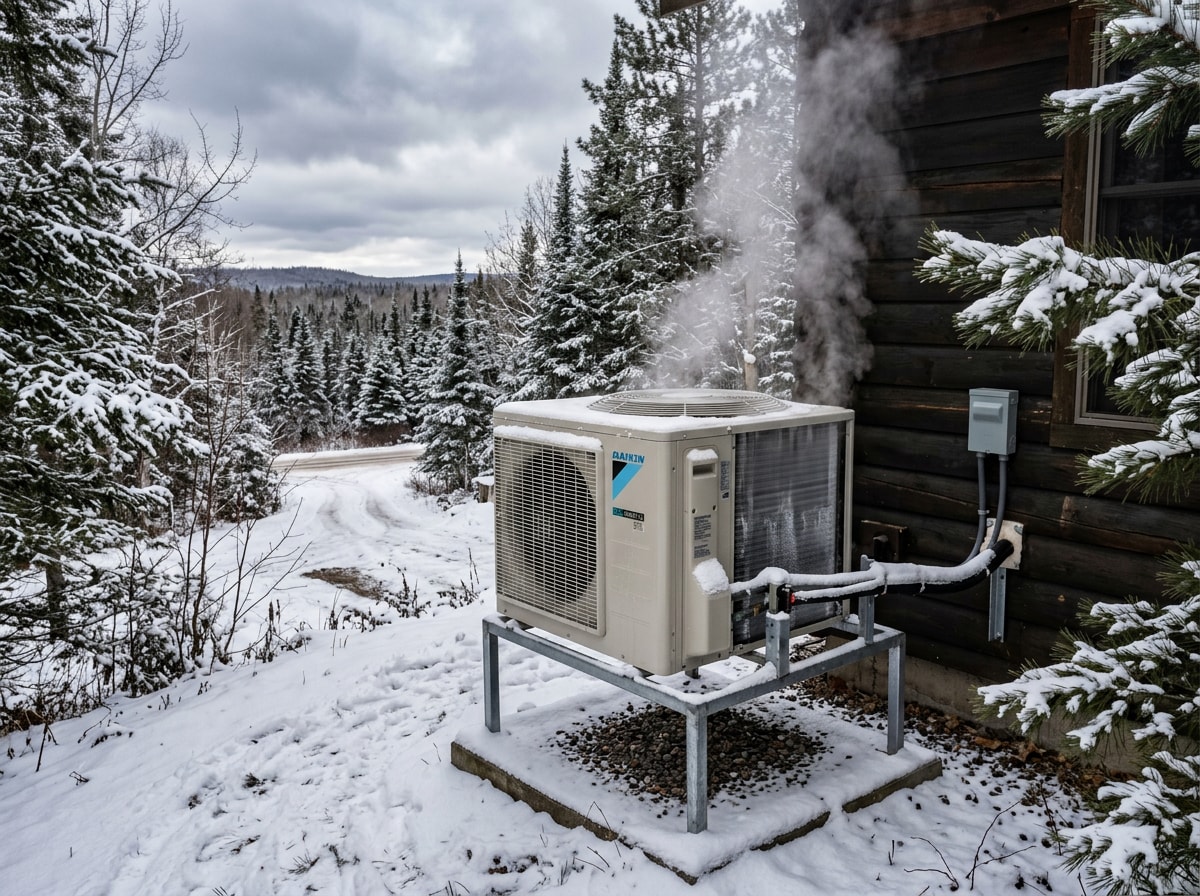
This is usually the first question we get from Finland-area homeowners, and it's a fair one. Modern cold climate air-source heat pumps are designed specifically for northern winters, and many models deliver full heating capacity down to 0°F and continue operating efficiently well below that.
A few things to keep in mind before you buy:
- Not every mini split is a cold-climate model. Standard units lose capacity fast as temperatures drop, so confirm the low-ambient rating before you sign a quote.
- A backup heat source (propane, electric baseboard, or an existing furnace) is still a smart safety net for the coldest nights of the year, even with a hyper-heat rated system.
Because heat pumps move heat rather than generate it, they deliver more energy per dollar spent, and that efficiency gap adds up over a Minnesota summer and really pays off running through fall and winter too.
Is a Mini Split Right for Your Finland, MN Home?
A mini split tends to make sense if one room runs hotter or colder than the rest of the house, you're finishing a remodel or room addition, or your home falls into the "no ductwork" category that's common around Finland. Lake County's housing stock skews toward cabins and seasonal properties built decades before central air was standard, which is exactly the situation ductless systems were designed to solve.
One thing we run into often on North Shore service calls: older cabins and farmhouses frequently have 100-amp electrical panels that weren't sized with a multi-zone system in mind. It's worth asking your installer to check panel capacity during the quote, not after the equipment shows up.
Compare your options on our mini split cooling installation page or the ductless air conditioning service page. If you're in a neighboring community, check our Finland, MN area page for local service details.
Types of Ductless Mini Split Systems
| System Type | Outdoor Units | Indoor Heads | Best For |
|---|---|---|---|
| Single-zone | 1 | 1 | A single cabin bedroom, sunroom, or new room addition |
| Multi-zone | 1 | 2 or more | Larger homes needing independent control in several rooms |
A single-zone mini split pairs one outdoor condenser with a single indoor unit. A multi-zone mini split connects several indoor heads to one outdoor unit, letting a larger Finland, MN home cool and heat multiple rooms independently.
Benefits of Ductless Mini Splits
Zoning and Flexibility
Each indoor unit offers independent temperature control, so a multi-zone setup lets you condition only the rooms in use. That flexibility extends to placement too: the outdoor unit can go almost anywhere, a side yard, a rooftop, or a cabin's narrow footprint.
Energy Efficiency
Skipping ductwork avoids the energy losses common with forced-air systems, and inverter technology adjusts compressor speed instead of cycling on and off, which keeps energy use lower. Modern units are rated under the updated SEER2 testing standard, which better reflects real-world performance in Minnesota's climate.
Installation: What to Expect
Installation scales to your home. One indoor unit goes in each room needing coverage, and the outdoor condenser gets placed wherever drainage and airflow work best. A standard single-zone job typically wraps up in four to six hours; a multi-zone system with three or more indoor heads usually takes a full day or longer.
Steps your installer should walk through:
- Evaluate your home's heating and cooling load, room by room.
- Determine the number and placement of indoor units.
- Confirm electrical panel capacity for the outdoor condenser.
- Install indoor and outdoor components and run the line set.
- Test refrigerant charge, airflow, and thermostat calibration.
Mini Split Repair & Warning Signs
Weak or inconsistent cooling, a hissing sound suggesting a refrigerant leak, a frozen indoor unit, odd noises, or a system that won't power on are all signs it's time for service. Catching these symptoms early usually keeps repair costs down.
EPA regulations under Section 608 of the Clean Air Act require that technicians who maintain, service, repair, or dispose of equipment that could release refrigerants into the atmosphere must be certified , so refrigerant work always needs a licensed, certified technician, never a DIY recharge. Visit our mini split repair page for service details, or our air conditioning maintenance page to schedule a seasonal tune-up before problems start.
If your thermostat is acting up rather than the unit itself, our post on boiler thermostat troubleshooting in Lutsen covers similar diagnostic steps that apply to zoned heating controls generally.
Permits and Cost Factors in Minnesota
Minnesota statute requires anyone who installs gas piping, heating, ventilation, cooling, air conditioning, fuel burning, or refrigeration equipment to post a $25,000 bond and file with the Minnesota Department of Labor and Industry. A licensed, bonded installer handles this paperwork as part of a standard installation quote, so it's worth confirming bond status before you sign anything.
| Cost Factor | Why It Matters |
|---|---|
| Number of indoor units | Each additional zone adds equipment and labor cost |
| Refrigerant line length | Longer runs between indoor and outdoor units add material and labor |
| Site accessibility | Steep rooflines or tight crawlspaces add install time |
| Equipment brand and SEER2 rating | Higher-efficiency units cost more upfront, less to run |
| Electrical panel capacity | An outdated panel may need an upgrade before installation |
Ready to get a number for your property? Schedule a free inspection and we'll walk the site before quoting anything.
FAQ
Is a permit required for mini-split installation in Minnesota?
Yes. Most Minnesota jurisdictions require a mechanical permit for new HVAC equipment, including mini splits, and the installing contractor must be bonded with the Minnesota Department of Labor and Industry. A licensed installer typically pulls this permit as part of the job.
What factors influence the cost of mini-split installation?
Cost depends on the number of indoor units, refrigerant line length, site accessibility, equipment brand, and SEER2 rating. Electrical panel upgrades can add to the total if your home's wiring needs updating to support the outdoor condenser.
How long does a standard mini-split installation take?
Most single-zone installations wrap up in four to six hours. Multi-zone installations with three or more indoor units typically take a full day or longer.
Do mini splits work in Minnesota winters?
Cold-climate-rated mini splits are engineered to deliver heat well below freezing, while standard models lose capacity as temperatures drop near 32°F. A cold-climate heat pump can maintain meaningful output even at sub-zero readings, though an auxiliary heat source is still wise for the coldest nights.
Do mini splits provide both heating and cooling, or just cooling?
Most mini splits sold today are heat pumps, meaning they provide both. Cooling-only models exist and cost less upfront, but in a climate like Finland's, a heat pump model gets far more use out of the same equipment.
About This Guide
This guide was prepared by the team at Grand Marais Heating & Air Conditioning, a licensed HVAC contractor serving Lake County's North Shore communities, including Finland, Grand Marais, Tofte, and Lutsen. Our technicians install and service ductless systems in cabins and year-round homes across this region and see firsthand which equipment choices hold up through a North Shore winter. Contact us with questions or to schedule a free inspection.